

Follow ancient Himalayan trails through traditional Tamang villages, sacred monasteries, glaciers and breathtaking mountain scenery in the heart of Langtang National Park.
Langtang Valley Trek – Gateway to the Himalayan Peaks
10-Days trek
Embark on one of Nepal's most rewarding Himalayan adventures. Rising from 1,470 metres to nearly 5,000 metres, the Langtang Valley Trek reveals a different side of the Himalayas every day. Walk through blooming rhododendron forests and alpine meadows, share warm moments with local families in traditional tea houses, visit centuries-old Buddhist monasteries, and admire ever-changing mountain scenery. For those looking to reach even higher, the optional ascents of Kyanjin Ri or Tserko Ri reward every step with breathtaking panoramas over glaciers and the highest peaks of the Langtang Himal.
Far from Nepal's busiest trekking routes, the Langtang Valley Trek offers the perfect balance of spectacular landscapes, authentic cultural encounters and peaceful trails, making it an unforgettable journey for anyone wishing to experience the true spirit of the Himalayas.
Langtang Valley
From $ 1309 /person, full board and transfers included
What’s included in your adventure
10 Days & 9 Nights
A fully private, tailor-made adventure crafted around your desires
Airport transfer from Kathmandu International Airport to your hotel
Round-trip transfer between Kathmandu and Syabrubesi by Scorpio (or same)
Langtang National Park entrance fees
Langtang National Valley permits
Trek led by Daman, an English-speaking guide and certified tracker
Guided trekking and mountain activities
Full board (all meals included during the trek)
Hotel in Kathmandu and mountain lodge accommodation


The Langtang Experience
An expert guide
Daman is not only an experienced tracker but also a certified mountain guide who shares his deep knowledge of the Langtang region, its wildlife and its culture. Thanks to his exceptional observation skills, he often spots animals that most hikers would simply walk past without noticing.
Fed by the ancient glaciers of the Langtang Himal, crystal-clear rivers wind through the valley, forming waterfalls and rushing mountain streams. A series of suspension bridges spans these glacial waterways, adding a touch of adventure to the journey.
The Langtang Valley Trek is ideal for travellers seeking an authentic Himalayan adventure without committing to a long expedition. Most days include around five hours of hiking, covering approximately 15 km with daily elevation gains of 600 to 800 metres. A rewarding challenge for anyone with a good level of fitness.
Glacial Rivers & Waterfalls
A Perfect Balance






The tea houses of the Langtang Valley offer a glimpse into the soul of the Himalayas. They reflect the warmth of the Nepalese people, the beauty of simple mountain life and the remarkable resilience of communities that rebuilt their lives after the 2015 earthquake.
Mountain Tea Houses


Trek itinerary
Langtang Valley Trek in Nepal – 10 Days of Himalayan Adventure
This 10-day trek takes you through the heart of the Langtang Valley, where every day brings new landscapes, cultural encounters and Himalayan panoramas. Rising gradually from 1,470 metres to nearly 5,000 metres, the trail leads from lush forests and traditional Tamang villages to glaciers, alpine meadows and the peaceful village of Kyanjin Gompa. For those wishing to climb even higher, the optional ascents of Kyanjin Ri or Tserko Ri offer an unforgettable finale with breathtaking views across the Langtang Himal.
Difficulty: Moderate
Maximum altitude: 5,033 m (Tserko Ri) or 4,773 m (Kianjin Ri)
Starting point: Kathmandu
About 5 to 6 hours of walking each day
Day 1 | Arrival in Kathmandu
Our team will welcome you at Tribhuvan International Airport before transferring you to your hotel in the lively Thamel district. Depending on your arrival time, you can explore the vibrant streets of Kathmandu or simply relax before your departure for the Langtang Valley.
Day 2 | Kathmandou - Syabrubesi (1 460 m)
A six-hour private jeep journey takes you to Syabrubesi, the starting point of the Langtang Valley Trek. Although the mountain road is rough in places, it offers beautiful views of terraced hillsides, traditional villages and the first Himalayan peaks.
Day 3 | Syabrubesi - Lama Hotel (2324 m)
Our first day of trekking in Nepal begins by crossing the Bhote Koshi River before entering the forests of Langtang National Park. The trail climbs steadily through bamboo forests, home to red pandas and Himalayan wildlife, before reaching Bamboo, Rimche and finally Lama Hotel.
Day 4 | Lama Hotel - Langtang (3330 m)
Today's trail follows the Langtang Khola through dense forests before opening onto spectacular mountain scenery. Along the way, we pass ancient Mani Walls, Buddhist chortens and traditional Tamang settlements. After Ghodatabela, the valley widens dramatically as we reach Langtang Village, rebuilt after the 2015 earthquake while preserving its unique cultural identity.
Day 5 | Langtang - Kyanjin Gompa (3730 m / 3873 m)
A gentle ascent through yak pastures, streams and glacial moraines leads us to Kyanjin Gompa, the spiritual heart of the valley. After lunch, you may visit the ancient monastery, explore the village or discover the local yak cheese factory while enjoying magnificent views of Langtang Lirung. We will spend 2 nights in a traditional Nepali teahouse.


Day 6 | Choose Kyanjin Ri and / or Tserko Ri
This is one of the the highlight of the Langtang Valley Trek. An early morning departure takes you to one of the valley's spectacular Himalayan viewpoints. Depending on your experience and fitness level, you can choose between two unforgettable ascents.
Option 1 - Kyanjin Ri (4 773 m)
A steep but accessible climb of about 2 to 3 hours offers breathtaking views over Kyanjin Gompa, the Langtang Glacier and the surrounding snow-covered peaks. This is the perfect choice for trekkers looking for a shorter ascent while still enjoying spectacular Himalayan scenery.
Option 2 - Tserko Ri (5 033 m)
For experienced hikers, Tserko Ri offers the ultimate Himalayan viewpoint. After 4 to 5 hours of climbing, we reach the summit just as the first rays of sunlight illuminate the Himalayas. From the top, a spectacular 360° panorama stretches across Langtang Lirung (7,234 m), Yala Peak (5,500 m), Ganesh Himal, Tserko Peak and dozens of Himalayan peaks extending towards Tibet. After enjoying this unforgettable scenery, we descend back to Kyanjin Gompa.
Optional extension: Add one extra day if you would like to climb both Kyanjin Ri and Tserko Ri.
Day 7 | Kyanjin Gompa
We retrace our steps through Langtang National Park, following the Langtang Khola back to Langtang Village, Ghodatabela and Lama Hotel. The descent offers a different perspective on the valley, with ever-changing landscapes and excellent opportunities to observe Himalayan wildlife.
Day 8 | Syabrubesi
Our final day on the trail follows the Langtang Khola back to Syabrubesi, crossing suspension bridges and passing through forests one last time. The descent offers a new perspective on the valley, revealing details and landscapes often overlooked on the way up. We enjoy a final night in Syabrubesi, marking the end of our Langtang adventure.
Day 9 | Syabrubesi – Kathmandou
After breakfast, we drive back to Kathmandu. After several days immersed in the peaceful Himalayas, the lively atmosphere of the capital feels like a different world. Enjoy a well-deserved hot shower, a comfortable bed and a relaxing evening.
Day 10 | Kathmandou
After breakfast, enjoy a private transfer to Tribhuvan International Airport or continue exploring Nepal with one of our other adventures.
Accommodation & Meals
Safe boiled drinking water is available at tea houses along the trail, so you can refill your reusable bottle throughout the trek while helping to reduce plastic waste in the mountains.


Mountain Lodges & Nepal Tea Houses
Tea houses have a long tradition in Himalayan travel. Originally simple places where travellers could stop for a hot drink and a rest, they have evolved into family-run mountain guesthouses offering rooms, home-cooked meals and shared dining areas. Their spirit, however, remains much the same: simple places where travellers can experience the hospitality and everyday rhythm of mountain life.
Each evening, trekkers gather around the wood-burning stove in the communal dining room to share stories from the day's hike, creating a warm and friendly atmosphere that is an essential part of trekking in Nepal.
Breakfasts usually include porridge, eggs, Tibetan bread, pancakes, chapati, muesli and hot drinks such as tea or coffee. For lunch and dinner, most tea houses also serve noodles, fried rice, pasta, soups, potatoes, momos (traditional Tibetan dumplings) and simple vegetable dishes.
While staying in Kyanjin Gompa, don't miss the opportunity to taste the village's famous yak cheese, produced for decades at the local cheese factory. It's one of the culinary specialties of the Langtang Valley and a unique taste of life in the high mountains.


As accommodations are limited along the trail, we recommend booking well in advance, especially during the spring (March–May) and autumn (October–November) trekking seasons.
Traditional Food During Your Trek
Comfort in the Himalayas is simple, authentic and welcoming. Throughout the trek, you'll stay in carefully selected mountain lodges and traditional tea houses, where warm hospitality, homemade meals and breathtaking scenery become part of the adventure.
Your adventure begins with a comfortable hotel stay in Kathmandu before heading into the mountains. Along the trail, you'll stay in carefully selected mountain lodges and traditional Nepal tea houses, where simplicity, comfort and warm Himalayan hospitality are all part of the experience. Most accommodations offer twin rooms with shared bathrooms, while some tea houses—particularly in Kyanjin Gompa—also provide private bathrooms. Although the facilities remain basic, you'll quickly discover that the breathtaking mountain scenery, the warmth of your hosts and the peaceful atmosphere make every overnight stay a memorable part of the journey.
Throughout the trek, meals will be freshly prepared in the tea houses, with simple, nourishing dishes designed to provide the energy you need for a day in the mountains. Supplies can be limited at higher altitudes and are often carried into the valley by porters or yaks, but every meals are cooked using local ingredients whenever possible.
Dal Bhat is the traditional favourite, made with steamed rice, lentil soup, seasonal vegetables and spicy pickles. Rich in carbohydrates and protein, this generous Nepalese dish is particularly well suited to trekking and remains a favourite among both local guides and hikers.
Wildlife & Flora of Langtang National Park


Discover the Tamang Way of Life
As the trail climbs through bamboo and rhododendron forests towards the alpine zone, the wildlife changes with the landscape. Keep your eyes open for the Himalayan Monal and other mountain species, while the forests of Langtang National Park provide habitat for the elusive red panda.
Why Choose the Langtang Valley Trek?
Among the Giants of the Himalayas
Three experiences shape this journey through Langtang: spectacular high-mountain panoramas, the living heritage of Tamang communities and the remarkable wildlife of Langtang National Park. Together, they make this trek much more than a journey through the Himalayas.


Watch the first and last light of the day transform the surrounding peaks, with sweeping panoramas across the Langtang Himal and towards the mountains of Tibet. From the high viewpoints above Kyanjin Gompa, glaciers and snow-covered summits unfold in every direction.
Meet the Tamang communities who have lived in these mountains for generations. Through villages, Buddhist traditions and everyday encounters, discover a culture shaped by the Himalayas, marked by resilience and shared with remarkable warmth and hospitality.
Spectacular views of the Himalayan giants
Towering above the Langtang Valley, Langtang Lirung (7,227 m), Dorje Lakpa (6,966 m) and Ganchenpo (6,387 m) dominate the skyline. From the panoramic viewpoints of Kyanjin Ri and Tserko Ri, the landscape opens onto glaciers, snow-covered summits and sweeping Himalayan ranges stretching from Nepal towards southern Tibet. At sunrise and sunset, the changing light transforms these high-altitude panoramas into some of the most memorable moments of the trek.
Rising directly above Kyanjin Gompa, Kyanjin Ri and Tserko Ri offer two very different ways to experience the high mountains of Langtang. Neither requires technical climbing equipment under normal trail conditions, but the altitude, steep terrain and changing mountain weather make good fitness and acclimatisation essential.


At high altitude, climbing too quickly or spending extended periods at higher elevations without proper acclimatisation can increase the risk of Acute Mountain Sickness (AMS). For this reason, Kyanjin Ri and Tserko Ri are best approached progressively, allowing enough time to acclimatise and recover between ascents. If you wish to experience both summits, an additional day can be added to the itinerary. Your guide will adapt the programme according to your acclimatisation, fitness and mountain conditions.
Kyanjin Ri
It offers one of the most impressive viewpoints over the Langtang Valley. The ascent is steep but relatively short, leading first to a lower viewpoint (around 4,300–4,400 m) decorated with prayer flags before continuing along the ridge towards the summit at 4,773 m. From above, Kyanjin Gompa appears tiny beneath a spectacular panorama of glaciers, deep valleys and snow-covered Himalayan peaks. With a shorter ascent than Tserko Ri, it is also an excellent way to acclimatise before attempting higher elevations.
Tserko Ri
For those ready to venture above the symbolic 5,000-metre mark, Tserko Ri offers a more demanding high-altitude adventure. An early departure gives you the best chance of clear skies as the trail climbs through yak pastures towards increasingly rugged mountain terrain. Reaching the summit rewards the effort with an extraordinary 360° panorama across Langtang Lirung (7,227 m), Dorje Lakpa, Yala Peak and the surrounding Himalayan ranges, with views extending towards Tibet on exceptionally clear days.


Two Iconic Viewpoints Above Kyanjin Gompa:
Tamang Heritage
Beyond the Langtang Valley
While the Langtang Valley Trek introduces you to Tamang culture along the trail, a stay in Gatlang offers the opportunity to experience village life at a slower pace. Here, the focus is less on trekking and more on sharing everyday moments with the local community. Traditional homestays bring you closer to your hosts, while local architecture, handicrafts and village traditions reveal another side of Tamang life.
For travellers who would like to spend more time connecting with the local culture, Gatlang can be added as an optional extension to the journey.


Buddhist traditions are deeply woven into everyday life in the Langtang Valley. Along the trail, Mani Walls carved with sacred mantras, chortens, prayer wheels and colourful prayer flags reveal a spiritual heritage shaped by centuries of Himalayan Buddhism. These sacred symbols are not simply remnants of the past. They remain part of a living culture, reflecting the beliefs and traditions of the Tamang communities who inhabit the valley.
This spiritual presence becomes particularly visible around Langtang Village and Kyanjin Gompa. Monasteries and sacred sites offer a deeper insight into the Buddhist traditions practised in the region, while religious rituals and ceremonies continue to mark community life. At Kyanjin Gompa, the monastery remains an important spiritual landmark and provides a meaningful connection to the beliefs that have shaped generations of mountain life.
The Tamang are the main inhabitants of the Langtang region. With Tibeto-Burman roots and centuries of close ties with neighbouring Tibet, they have developed a distinctive culture shaped by life in the Himalayas. Their language and traditions have been passed down through generations, while their spiritual practices combine Tibetan Buddhism with ancient local beliefs.
Traditional stone houses and cultivated mountain fields show how communities have adapted to the challenges of living at high altitude. Encounters with local families bring another dimension to the trek and reveal the warmth and resilience of the people who call these mountains home.
Discover the living heritage of the Tamang communities who have called the Langtang Valley home for generations. Their culture is deeply rooted in these mountains and remains part of everyday life. In Langtang Village, you'll also discover the remarkable story of a community that rebuilt after the devastating 2015 earthquake. Further into the valley, Kyanjin Gompa reveals another side of this heritage, shaped by Buddhist traditions and centuries of Himalayan life.
The Tamang People
A Living Buddhist Heritage


Where Every Altitude Reveals a New Landscape
Beyond its spectacular mountain scenery and remarkable wildlife, Langtang National Park is home to an exceptionally rich plant life. More than 1,000 plant species have been recorded within the park, including 21 endemic species found in this remarkable Himalayan environment. From colourful seasonal blooms to plants adapted to extreme altitude, this botanical diversity reveals a lesser-known side of Langtang’s natural heritage.
Himalayan Wildlife & Nature
Langtang National Park is one of Nepal's richest mountain ecosystems. From dense bamboo and rhododendron forests to high alpine meadows, its changing landscapes provide habitat for an extraordinary variety of Himalayan wildlife, including the elusive red panda and snow leopard. The park is also home to dozens of mammal species and hundreds of bird species, making every day on the trail an opportunity to observe something new.


Red Pandas are mainly found in the bamboo-rich forests of Langtang, particularly between 2,500 and 4,000 metres. Quiet and well camouflaged, they can be difficult to spot among the dense vegetation. Their presence may first be revealed by tracks or other subtle signs.
If you wish to spend more time searching for them, we can dedicate half a day to exploring the bamboo forests around Ghodatabela with an experienced local tracker. By looking for signs of their presence and exploring their preferred feeding areas, you may have the chance to encounter this rare and fascinating inhabitant of the Himalayas.
Known as the “ghost of the mountains,” the Snow Leopard is one of the most legendary inhabitants of Langtang National Park. Its remarkable coat blends almost perfectly into the rocky Himalayan landscape, making it extremely difficult to spot. It lives mainly in remote alpine areas above 4,000 metres and is most active around dawn and dusk.
Sightings are exceptionally rare, but tracks and other subtle signs can reveal its presence in the high mountains. Additional time can be dedicated to exploring suitable habitats and searching for these clues with an experienced tracker. Even without a sighting, discovering evidence of a Snow Leopard and learning to read its environment brings an exciting new dimension to the trek.
Wildlife Through the Valley
Among Langtang's remarkable wildlife, the Red Panda and Snow Leopard are two of its most fascinating inhabitants. Rare and elusive, they live in very different environments, from dense bamboo forests to the remote high-altitude landscapes of the Himalayas.
Rhododendrons are among the most striking plants encountered in Langtang. Several species grow within the park, bringing shades of red, pink and white to the mountainsides during the spring flowering season. Bamboo, oak, blue pine, silver fir and hemlock also contribute to the diversity of the forests along the trail. Langtang is also home to the Nepalese larch, an unusual deciduous conifer found here and in only a few other places in the region.
These forests are more than part of the scenery: they create valuable habitats for wildlife, including the Red Panda. Beyond the tree line, alpine vegetation and wildflowers thrive in a much more exposed environment, adding delicate touches of colour among grasslands and rocky terrain.
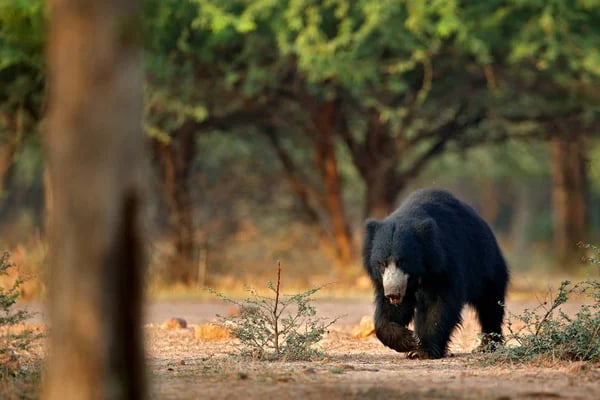
FOREST INHABITANTS : Red Panda · Himalayan Black Bear · Musk Deer · Langur
Dense bamboo and temperate forests create a rich and sheltered habitat, where much of Langtang's wildlife remains discreet beneath the canopy.
MOUNTAIN WILDLIFE: Himalayan Tahr · Goral · Himalayan Serow · Snow Leopard
As the forest disappears, steep slopes and rocky high-altitude terrain become home to species remarkably adapted to the harsh Himalayan environment.
HIMALAYAN BIRDLIFE: Himalayan Monal · Blood Pheasant · Satyr Tragopan · Golden Eagle · Himalayan Griffon
From colourful forest birds to powerful raptors soaring above the valley, Langtang's diverse habitats support remarkable Himalayan birdlife.


Plants also play an important role in local life. Mountain pastures and rangelands have traditionally provided local communities with wild foods, fodder, and medicinal and aromatic plants. This relationship with the surrounding vegetation remains part of everyday life in the region, while initiatives in the park's buffer zone also support the sustainable use and development of medicinal and aromatic plants.
Above 4,000 metres, the vegetation takes on a distinctly alpine character. Hardy shrubs and herbs such as dwarf rhododendrons, primulas and potentillas grow in these exposed conditions, while high-altitude meadows between roughly 4,500 and 5,000 metres support a rich diversity of alpine plants. Himalayan blue poppies (Meconopsis) are among the distinctive high-altitude plants recorded in the park.
This variety of plant life adds a quieter dimension to the Langtang Valley Trek. While the Himalayan peaks naturally draw the eye, the forests, flowers and alpine vegetation reveal another side of the national park that can easily go unnoticed.


Best Time for the Langtang Valley Trek


Spring is a particularly rewarding season for travellers interested in wildlife and photography. During March and April, conditions can be favourable for searching for signs of the Snow Leopard and exploring the bamboo forests around Ghodatabela for Red Pandas, before the vegetation becomes denser later in the season.
In harmony with nature
What a fantastic trek! I saw different landscapes every day and got to see Himalayan tahr, lot of yaks, the Himalayan monal, and countless birds. I also loved the evenings in the tea houses: sitting around the stove chatting with fellow hikers and our hosts after a day of walking was one of the trip's highlights. A huge thank you to Daman for his kindness, good humor, and for making this experience so exceptional. I couldn't have asked for a better guide. I highly recommend him!


★★★★★
Saugat Rokaya
What travelers say about us
Langtang Valley Trek FAQ
How difficult is the Langtang Valley Trek?
The Langtang Valley Trek is rated as moderate. Most trekking days involve around 5 to 6 hours of walking, with gradual altitude gain and some steeper sections. The ascents of Tserko Ri is more demanding, particularly because of the altitude, but it remains optional.
Is travel insurance required for the Langtang Valley Trek?
Travel insurance is strongly recommended for the Langtang Valley Trek and should cover trekking at altitudes of up to 5,000 metres, as well as medical treatment and emergency evacuation, including helicopter rescue if necessary. Before travelling, check that your policy specifically covers high-altitude trekking in Nepal and keep your insurance details with you during the trek.
Do I need previous trekking experience for the Langtang Valley Trek?
No previous trekking or high-altitude experience is required. However, you should be in good physical condition and comfortable walking for several hours on mountain trails. Preparing with regular walking or hiking before your trip will make the experience more enjoyable.
Is there Wi-Fi, mobile coverage an electricity during the trek?
Yes, some lodges offer Wi-Fi, but the connection can be slow and come at an extra cost. Mobile network coverage varies along the route and becomes less reliable at higher altitudes. Electricity is available in many lodges, but charging your phone, camera or other devices may involve an additional fee. We recommend bringing a power bank, especially if you plan to take plenty of photos along the way.
Is altitude sickness a risk on the Langtang Valley Trek?
Altitude sickness can occur above 2,500 metres, so acclimatisation is an important part of any high-altitude trek. The Langtang itinerary gains altitude progressively, and your guide will monitor how you feel throughout the journey. Kyanjin Ri and Tserko Ri take you significantly higher, so the choice of ascent will depend on your acclimatisation, fitness and mountain conditions. If you wish to climb both, an additional day can be added to allow more time to acclimatise and recover.
How do I get to the starting point of the Langtang Valley hiking trail?
The trek begins in Syabrubesi, around a six-hour drive from Kathmandu. We pick you up at Kathmandu International Airport and arrange your private transfer to the city. When it is time to head into the mountains, a private vehicle takes you directly from Kathmandu to Syabrubesi, so all your transportation is taken care of.
What equipment do I need for the Langtang Valley trek?
As temperatures can change considerably with altitude, a three-layer clothing system is recommended: a breathable base layer, an insulating fleece or down jacket, and a waterproof, windproof outer layer. Warm gloves, a hat and comfortable trekking trousers are also essential at higher elevations.
For footwear, choose sturdy, well broken-in trekking boots that provide good support on rocky mountain trails. Trekking poles, a headlamp, sun protection and a reusable water bottle are also recommended. A detailed packing list can be provided before your departure.
How long is the Langtang Valley trek, and how many kilometers does it cover?
Our Langtang Valley adventure lasts 10 days, including your arrival in Kathmandu and the journeys to and from Syabrubesi. The trekking section covers approximately 70 kilometres, depending on the viewpoint and options chosen. The itinerary can also be extended with additional trekking or cultural experiences, such as a visit to Gatlang.
Gallery
Along Your Journey, Explore the Untamed Landscapes of Langtang


ADVENTURE SAFARI & TREK
Experience Nepal’s hidden gems: from majestic landscapes to living traditions.